Itinerary · Updated August 2026
10 days in Taiwan, in the right order
This is the route I have talked more friends through than any other: down the west coast by high-speed rail, cities in descending size, ending warm and salty in the south. It front-loads logistics so the second half of your trip is nearly effortless, which is exactly when you will be tired enough to appreciate that.
Days 1 to 3: Taipei, without sprinting
Land, take the airport MRT express into Taipei Main, and check in somewhere near the eating: the Taipei guide breaks down neighborhoods, but Da'an is the default answer. Day one asks nothing of you but a night market. Jet lag wakes you early anyway, so use it: traditional breakfast at 7am tastes like a reward for the time difference.
Spend the three days on the shape the guide lays out: old Taipei and Dihua Street one day, the green east and Elephant Mountain at dusk the next, and your pick of the National Palace Museum, Beitou's hot springs, or Tamsui for the third. Resist adding more. The south needs you rested.
Day 4: the north coast, with a driver
This is the day that separates this route from the standard one. Hire a car and driver for the day, or self-drive if you are comfortable with scooter traffic (Taiwan drives on the right, same as the US): out of Taipei to the island's northern tip and along the coast road, where the strait meets cliffs, lighthouses, and fishing harbors that sell you lunch off the boat.
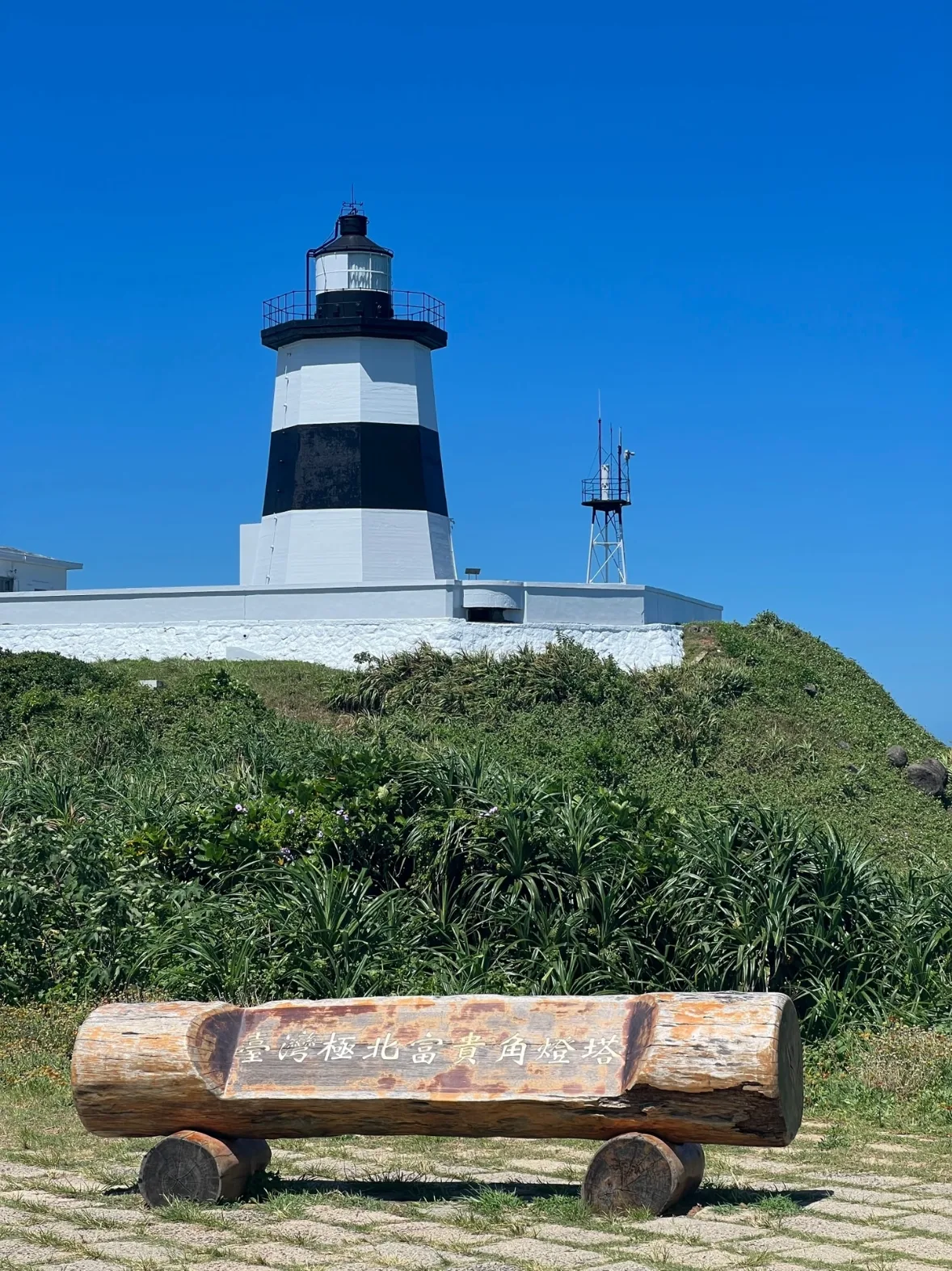
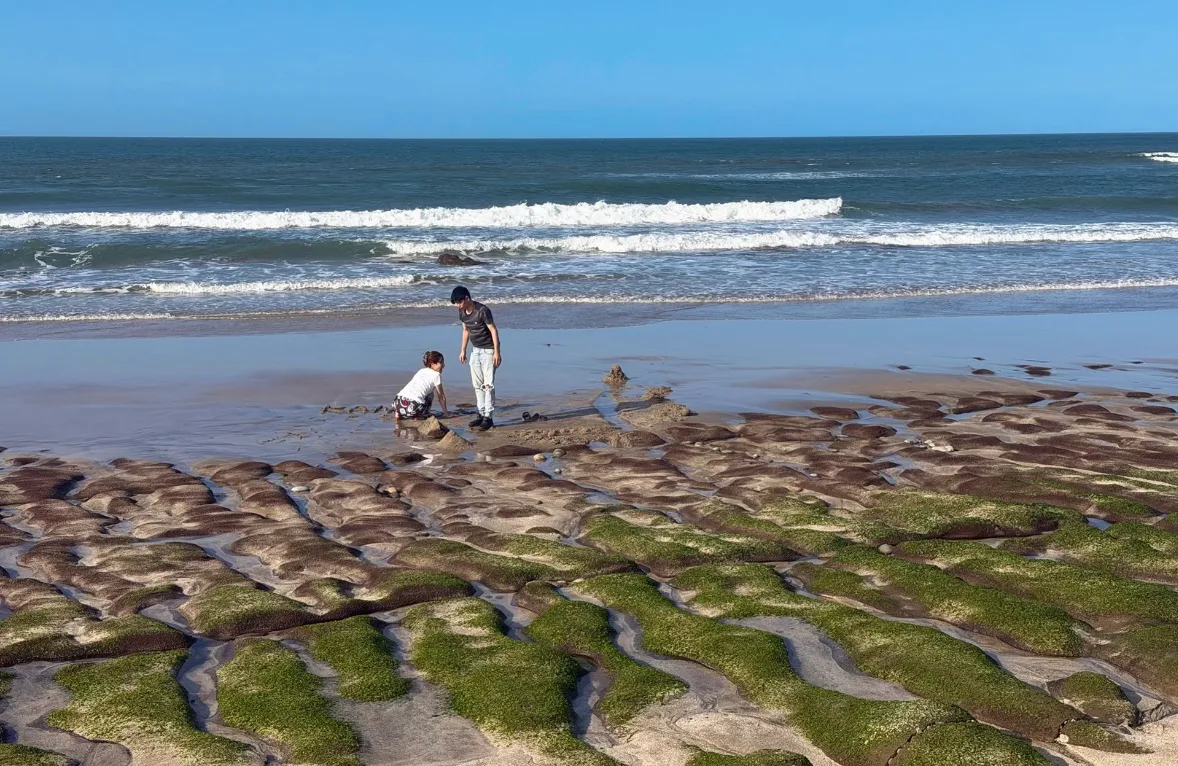
The classic loop runs Tamsui, Fuguei Cape, the Laomei reef, Yehliu's mushroom rocks, and back. If lantern-hung Jiufen is on your must list, swap it in for the afternoon and return along the northeast coast instead: arriving after the tour buses leave is the entire trick to Jiufen. Either version puts you back in Taipei for a final night market.
Day 5: south to the lake
Morning high-speed train to Taichung, about an hour, then the direct bus climbs to Sun Moon Lake in around 90 minutes. Drop bags, rent a bicycle, and ride the lakeside path that hugs the water between Shuishe and Xiangshan. The lake is at its best at 6am and after 4pm, when the tour groups are elsewhere and the water goes glassy. Stay the night for exactly that reason.
Days 6 and 7: Tainan, the island's kitchen
Bus back down, train onward, and by mid-afternoon you are in the oldest city on the island, where the food culture runs deepest. Tainan does not have sights so much as it has streets: temples every third block, shrines wedged between scooter shops, and food that people drive down from Taipei for.
Eat the famous things without shame: beef soup for breakfast (the broth is poured over raw sliced beef at your table), milkfish congee, coffin bread if only once, and oyster omelets done properly. Between meals, Anping's old fort and tree-swallowed warehouse fill an afternoon, and the Shennong Street lanterns at night are the postcard the city has earned.
Field note: ordering in Tainan
The best stalls have no English menu and no patience for hesitation, and they are gentler than they look. Point at what the last person got, hold up fingers for quantity, and say xie xie. I have watched this exact method feed dozens of my non-Mandarin-speaking friends extremely well.
Days 8 and 9: Kaohsiung, and a beach day south
Tainan to Kaohsiung is under an hour by ordinary train. Kaohsiung is the harbor city that quietly got cool: the Pier-2 warehouse district turned art quarter, the five-minute ferry to Cijin island for seafood and a sunset ride along the beach, and the enormous covered night markets that out-eat most of Taipei's.
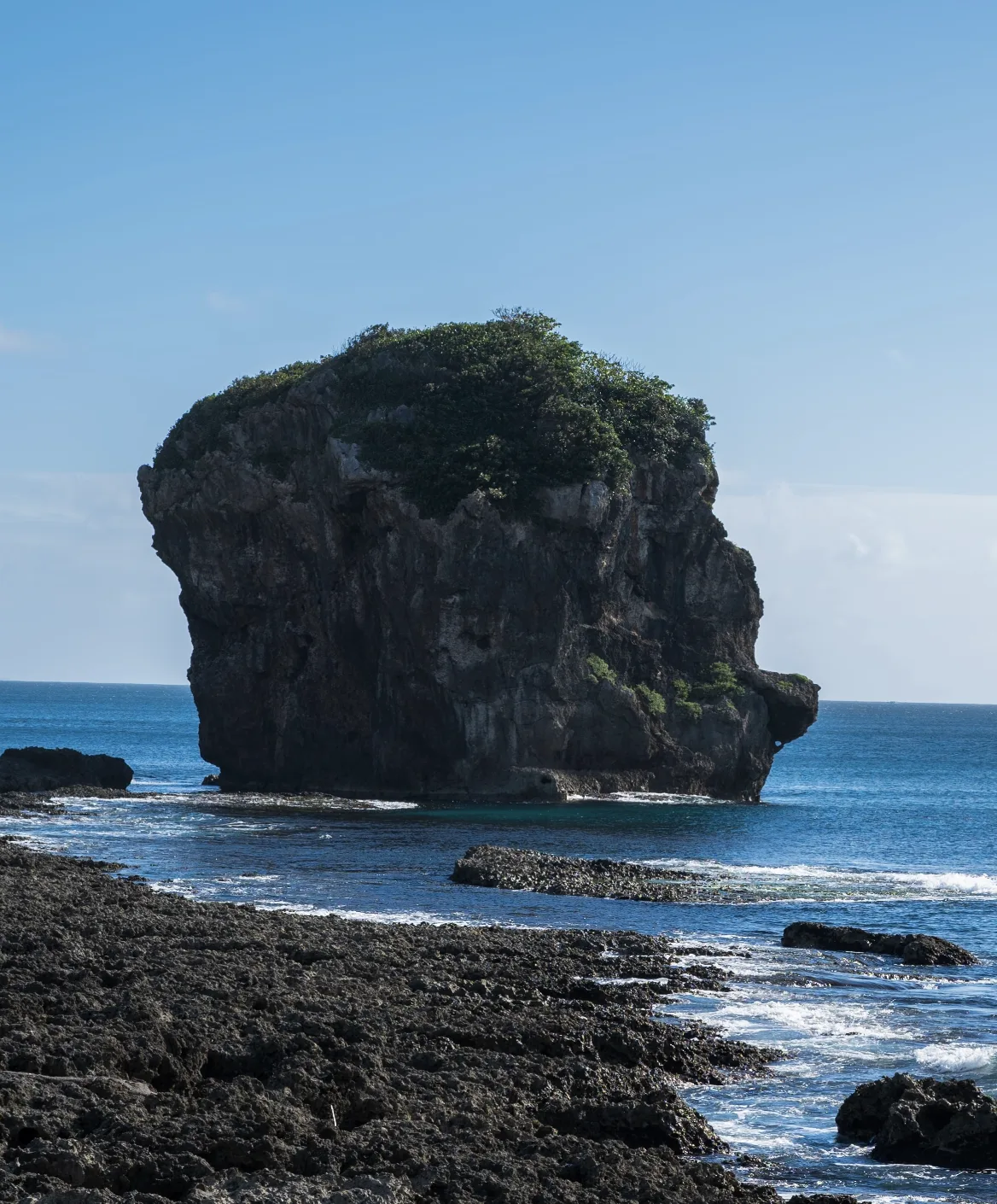
Day nine, run south to the tropics. The express bus reaches the Kenting peninsula in about two and a half hours, or split the cost of a driver. White sand at Baisha, the lighthouse park at Eluanbi, and the coral sea stacks along the coast road. Swim, eat something grilled, come back sandy, or trade the beach day for Fo Guang Shan's giant Buddha and the Lotus Pond temples if the weather turns.
Day 10: the fast ride home
The high-speed rail from Kaohsiung's Zuoying station puts you back at Taoyuan Airport in under two hours including the transfer, which means a morning flight is genuinely makeable. Better: check whether you can fly out of Kaohsiung's own airport and skip the ride entirely. Buy pineapple cakes at the station like everyone else. They are the correct gift.
What this trip costs
| Daily budget, per person | Sleeping | Eating | Rough total per day |
|---|---|---|---|
| Backpacker | Hostel dorms, NT$600 to 900 | Night markets and breakfast shops, NT$400 to 600 | NT$2,000 to 2,500 |
| Midrange | Three-star doubles, NT$2,500 to 4,000 | Mix of stalls and sit-down, NT$800 to 1,200 | NT$5,000 to 7,000 |
| Luxury | Five-star and onsen stays, NT$8,000 and up | Tasting menus exist and are underpriced | NT$12,000 and up |
The rail spine, all legs combined, comes to roughly NT$3,000 at full fare. Everything else scales to taste. Taiwan is a place where the NT$60 bowl of noodles and the tasting menu are often separated by one alley and zero drop in dignity.
Booking checklist, in order
- Flights into Taipei Taoyuan (TPE); check open-jaw returns from Kaohsiung (KHH)
- High-speed rail for days 5 and 10 when booking opens about four weeks out
- Taipei hotel for nights 1 to 4, Sun Moon Lake for night 5 (weekends sell out first)
- Tainan and Kaohsiung hotels, which rarely pressure you
- North coast driver for day 4, and an eSIM before you fly
Some links below are affiliate links. If you book through them, LivingTaiwan earns a small commission at no extra cost to you. Recommendations are chosen first, monetized second; plenty of places we recommend pay us nothing. Full disclosure here.
Questions people actually ask about this route
Is 10 days enough for Taiwan?
Enough for the west coast done well: Taipei, the north coast, Sun Moon Lake, Tainan, and Kaohsiung, with a southern beach day. It is not enough to add the east coast without turning the trip into a transit exercise. Save Hualien and Taitung for a second visit, and note that parts of Taroko remain closed after the 2024 earthquake anyway.
Should I rent a car in Taiwan?
Not for this route. High-speed rail beats driving between the west coast cities on time, cost, and stress, and city driving in Taipei is a hobby you do not need. The one place a car or hired driver shines is the north coast day and rural detours; hire a driver for that single day instead.
How far in advance should I book trains?
High-speed rail opens booking about four weeks out, and early-bird seats at 10 to 20 percent off go first. Book the Taipei to Taichung and Kaohsiung to Taipei legs as soon as your dates are fixed. Ordinary weekday trains rarely sell out, but holiday weekends absolutely do.
What does this trip cost per person?
Excluding flights: a backpacker can run it on about NT$2,000 to 2,500 a day with hostel dorms and night market eating. A comfortable midrange version lands around NT$5,000 to 7,000 a day. The rail spine for the whole route is roughly NT$3,000 total. Taiwan remains one of the best value destinations in the developed world.